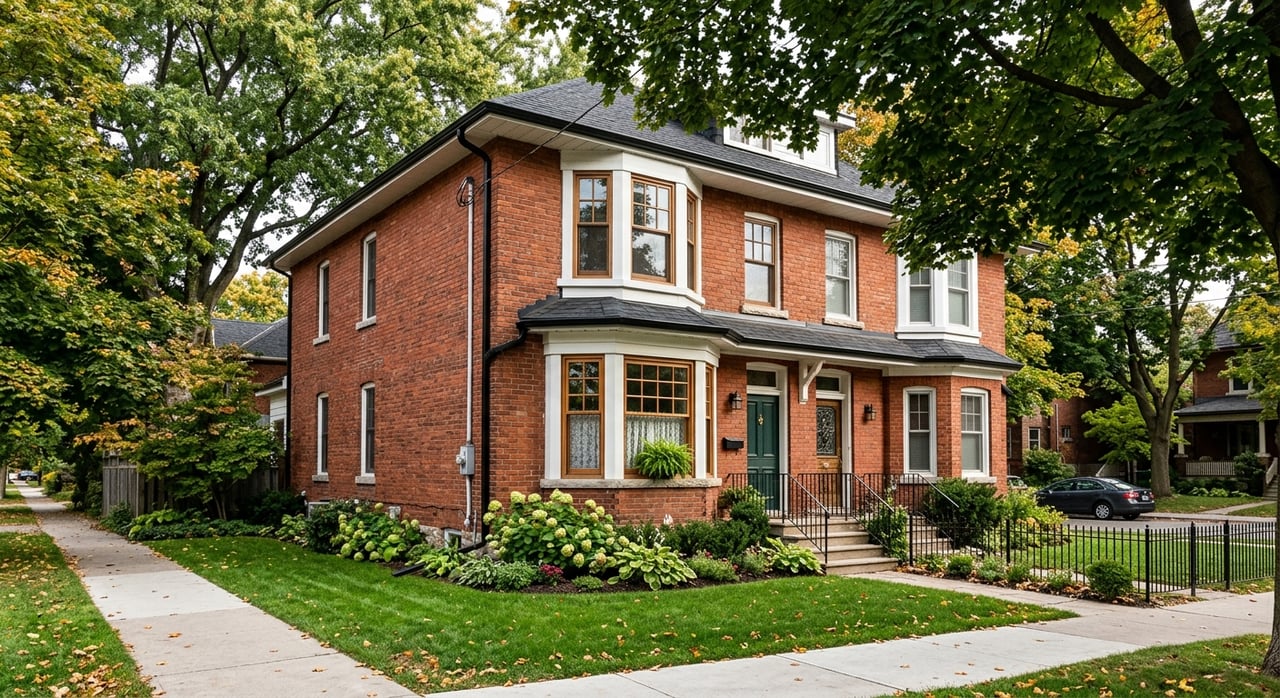
Thinking about buying an older home in Fox Chase? That can be an exciting move, but it also comes with a different set of questions than buying newer construction. If you want to understand what to look for, what to budget for, and how to protect yourself during the process, this guide will help you move forward with more confidence. Let’s dive in.
Fox Chase Homes Have Established Appeal
Fox Chase is a small Berks County community with an established housing stock rather than a new-construction feel. Local housing data shows 553 housing units, all single-family homes, with a median year built of 1992 and most occupied homes built between 1970 and 1999.
That matters because an “older home” in Fox Chase often means a well-established late-20th-century property, not necessarily a century-old house. You may see styles like Colonial, Traditional, bi-level, ranch, raised-ranch, Cape Cod, and Tudor-inspired homes, depending on the specific property.
For buyers, that can be a plus. Established homes often offer mature lots, settled streetscapes, and floor plans that differ from many newer builds. At the same time, age brings maintenance needs that you should treat as a normal part of the buying process.
Older Home Issues To Expect
When you buy an older home in Fox Chase, it helps to think beyond cosmetic updates. Fresh paint and attractive staging can make a home look move-in ready, but the more important questions usually involve systems, structure, and moisture.
Pennsylvania’s Seller Disclosure Law gives you a practical checklist of the issues sellers may disclose. These include the roof, basements and crawl spaces, termites or other wood-destroying insects, structural problems, additions and remodeling, water and sewage systems, plumbing, heating and air conditioning, electrical systems, soils and drainage, boundaries, sinkholes, hazardous substances, homeowners associations, legal or title issues, and stormwater facilities.
That list covers many of the repairs buyers commonly face in established homes. In real-world terms, you should leave room in your budget for items like:
- Roof repair or replacement
- Basement moisture control
- HVAC repair or replacement
- Plumbing updates
- Electrical corrections or upgrades
- Window and door improvements
- Energy-efficiency upgrades
Not every house will need all of those items. But if you are buying a home that has been standing for decades, it is wise to assume that at least a few systems may be older or nearing a major repair window.
Why Seller Disclosures Are Only The Start
One of the most important things to know in Pennsylvania is that the seller disclosure form is a starting point, not the whole story. State law requires disclosures about known material issues, but the seller is not required to make a specific investigation or inquiry just to complete the form.
That means a clean-looking disclosure does not automatically mean the property is free of problems. It simply means the seller has reported what they know. Your job as a buyer is to compare the disclosure, the inspection findings, and the public record before you decide how much risk and future cost you are comfortable taking on.
This is especially important if the home has had additions, remodeling, or repairs over time. Ask for prior permits, contractor receipts, and any previous inspection reports if they are available. Those records can help you understand whether updates were documented and how recently major work was done.
Build A Smart Inspection Strategy
A general home inspection is essential, but it is not designed to answer every question. Pennsylvania law defines a home inspection as a noninvasive visual exam of accessible structural, mechanical, plumbing, and electrical components performed in connection with a residential sale.
The report must be written and identify material defects, but it does not guarantee that hidden defects are absent. It is also not an appraisal. In other words, the inspection is a critical tool, but not a complete warranty on the house.
That is why older homes often need a layered inspection approach. If the general inspector flags a concern, the next step may be bringing in a specialist for a closer look.
Specialists Worth Considering
Depending on the home and the inspection findings, you may need:
- A roofer for roof condition and remaining life
- A plumber for supply lines, drains, or water issues
- An electrician for panel, wiring, or safety concerns
- An HVAC contractor for heating and cooling systems
- A structural engineer for foundation or framing questions
- A pest professional for termites or wood-destroying insects
- A radon professional for testing and mitigation review
Pennsylvania law also notes that repair estimates in an inspection context may only be ranges. For actual budgeting, contractor estimates for the specific repairs are the better path.
Watch For Lead, Asbestos, And Radon
Some older-home risks should be screened early, especially if you plan to renovate after closing. These issues may not always be obvious during a casual showing.
Lead-Based Paint In Pre-1978 Homes
For homes built before 1978, federal law requires disclosure of known lead-based paint hazards. These homes are more likely to contain lead-based paint, and renovation work can disturb those materials.
If you are considering updates in a pre-1978 house, use lead-safe work practices and consider lead-safe certified contractors. This matters even for projects that seem simple, like sanding, window replacement, or opening walls.
Asbestos In Older Materials
Asbestos can be present in older building materials such as roofing shingles, ceiling and floor tiles, pipe wrap, cement products, and some insulation. You generally cannot confirm asbestos just by looking at a material.
If material is damaged, or if your renovation plans would disturb it, a trained and accredited asbestos professional is the right next step. This is one reason buyers should think about renovation plans before the inspection period ends, not after closing.
Radon In Pennsylvania Homes
Radon deserves special attention in Pennsylvania. According to the Pennsylvania Department of Environmental Protection, roughly 40% of homes tested in the state exceed the EPA action guideline of 4 pCi/L.
Testing is the only way to know a home’s radon level. For a Fox Chase purchase, a short-term test in the basement or ground floor during the inspection period is a sensible step.
Budget For Efficiency Upgrades Too
When buyers think about older-home costs, they often focus on repairs. Just as important are the upgrades that can improve comfort and monthly operating costs over time.
Older homes may have less insulation than newer ones. The U.S. Department of Energy recommends a whole-house energy assessment when planning insulation work and notes that air sealing should come before adding insulation.
For you, that means efficiency planning should be part of the purchase budget. Key areas to review include:
- Attic and wall insulation
- Air leaks around doors and windows
- Duct condition and sealing
- HVAC efficiency
- Older exterior doors or windows
These updates may not be urgent on day one, but they can have a real impact on comfort and long-term ownership costs.
Use Local Records Before You Commit
Buying an older home in Fox Chase should include more than the showing, disclosure, and inspection. Local record review can uncover details that help you avoid surprises.
Berks County property records can be searched by owner, address, or parcel ID. The Recorder of Deeds maintains deed records back to 1752, mortgages back to 1949, and subdivision and highway plans back to 1873.
That history can be useful if you want to verify ownership history, recorded documents, or prior parcel information. It can also help when the home has had changes over time and you want a clearer paper trail.
Check Boundaries Carefully
If boundary questions matter to you, do not rely only on parcel maps. Berks County notes that tax parcel lines are not survey grade.
So if you need exact boundary confirmation, or if you want to verify possible encroachments, a survey is the right tool. This can be especially important when fences, sheds, driveways, or additions sit close to lot lines.
Review Floodplain Status
Floodplain review is another smart step, even if the property is not near obvious water. Berks County maintains a FEMA floodplain viewer using current FEMA floodplain data and parcel lines.
For buyers, this is part of understanding site conditions and future ownership responsibilities. It is a practical piece of due diligence for any older property, not just homes that appear to have a water issue.
A Practical Fox Chase Buying Plan
If you are serious about buying an older home in Fox Chase, a simple plan can keep the process manageable. The goal is not to find a perfect house. The goal is to understand the home clearly enough that you can make a confident decision.
Here is a practical approach:
- Review the seller disclosure closely.
- Compare the disclosure against visible condition during showings.
- Schedule a general home inspection.
- Add radon testing during the inspection period.
- Bring in specialists if the inspector flags concerns.
- Ask for permits, receipts, and records for past work.
- Review county property and deed records.
- Check floodplain information.
- Order a survey if boundaries or encroachments are a concern.
- Build a repair and upgrade budget before final negotiations.
That process gives you a clearer picture of the property’s true condition and likely future costs. It also helps you negotiate from a more informed position.
Older Homes Can Still Be A Great Buy
An older Fox Chase home can absolutely be a smart purchase. The area’s established single-family housing stock may offer the kind of setting, layout, and character you want, especially if you prefer a neighborhood that feels settled rather than brand new.
The key is to go in with open eyes. When you treat inspections, safety testing, and local record review as standard steps instead of optional extras, you put yourself in a much stronger position to buy well.
If you want experienced, practical guidance as you compare homes and weigh tradeoffs, Nancy Aulett can help you navigate the process with clarity and confidence.
FAQs
What counts as an older home in Fox Chase, PA?
- In Fox Chase, many homes were built between 1970 and 1999, with a median year built of 1992, so an older home often means an established late-20th-century single-family property rather than a much older historic house.
What should buyers inspect in an older Fox Chase home?
- Buyers should pay close attention to the roof, basement or crawl space, structure, plumbing, electrical systems, HVAC, drainage, evidence of wood-destroying insects, and records for additions or remodeling.
Do Pennsylvania seller disclosures fully protect Fox Chase home buyers?
- No. Pennsylvania seller disclosures cover known material issues, but sellers are not required to conduct a specific investigation to complete the form, so buyers still need inspections, record checks, and follow-up due diligence.
Should buyers test for radon in Fox Chase, PA?
- Yes. The Pennsylvania Department of Environmental Protection says roughly 40% of tested homes in the state exceed the EPA action guideline, so radon testing during the inspection period is a smart step.
When should buyers worry about lead paint in a Fox Chase home?
- Lead-based paint is most relevant in homes built before 1978, since those homes are more likely to contain it and federal law requires disclosure of known lead-based paint hazards.
Why should buyers review Berks County property records before closing?
- County records can help you verify deed history, parcel information, and documents tied to the property, while a survey can help confirm exact boundaries because tax parcel lines are not survey grade.