Selling your home in Yardley can feel like juggling ten moving parts at once. You want a strong price, a smooth timeline, and fewer surprises along the way. The good news is that most seller stress points are predictable, and with the right checklist, you can prepare for each one with confidence. Let’s dive in.
Start With A Yardley-Specific Plan
Yardley is not a market where you want to guess. Recent public data points show very different snapshots, with one source reporting a median sale price around $424,781, another showing a typical home value near $634,291, and another listing a median sold price of $765,000. Those numbers are not directly comparable, which is why your pricing strategy should be based on current comparable sales instead of any single online estimate.
That matters because buyers respond to both price and presentation. In a market where reported days on market can range from about 6 days to 35 days depending on the source and time frame, the right launch strategy can affect your leverage and your net proceeds. A structured plan helps you avoid overpricing, underpreparing, and last-minute scrambling.
Checklist Before You List
Confirm Your Pricing Strategy
Before anything goes live, make sure your list price reflects what buyers are paying for similar homes right now. Online valuation tools can be a helpful starting point, but they are not a substitute for a local review of recent comps. In Yardley, where market snapshots vary widely by source, a pricing strategy grounded in current listings, pendings, and recent sales is the safer approach.
A smart price does more than attract attention. It can reduce unnecessary days on market and lower the risk of price cuts or weak negotiating position later. If your goal is to maximize net proceeds, pricing discipline should come first.
Complete Minor Repairs
Focus on the issues buyers notice quickly. Loose handles, chipped paint, dripping faucets, missing grout, burned-out light bulbs, and sticky doors can make a home feel less cared for than it really is. Small repairs often do more for buyer confidence than expensive updates that may not match local return.
The goal is not to over-improve. It is to remove objections before they come up in showings or inspections. That can help keep your deal together once you are under contract.
Declutter And Depersonalize
One of the most common seller prep recommendations is decluttering. When buyers walk through your home, they need to see space, light, and function rather than extra furniture, overflowing surfaces, or highly personal décor. A cleaner visual field helps rooms feel larger and easier to imagine living in.
Depersonalizing also matters. Family photos, bold niche collections, and too many personal items can distract buyers from the home itself. You do not need to strip the house bare, but you do want it to feel open and broadly appealing.
Deep Clean The Whole House
A clean home sends a strong signal that the property has been maintained. Whole-house cleaning is one of the most common recommendations for good reason. Buyers notice floors, windows, kitchens, baths, baseboards, and odors almost immediately.
Pay special attention to the rooms that tend to carry the most weight: the living room, kitchen, primary bedroom, and dining room. You do not need to perfect every guest room to the same degree. Start with the spaces buyers remember most.
Refresh Paint And Touch-Ups
Paint touch-ups can be a simple, cost-effective win. Scuffed walls, worn trim, and patchy surfaces show up both in person and in listing photos. Fresh, neutral touch-ups help your home feel brighter, cleaner, and move-in ready.
If a room has very bold or dated color, a repaint may be worth considering. Keep the result simple and clean so buyers focus on the home’s features, not the wall color.
Improve Curb Appeal
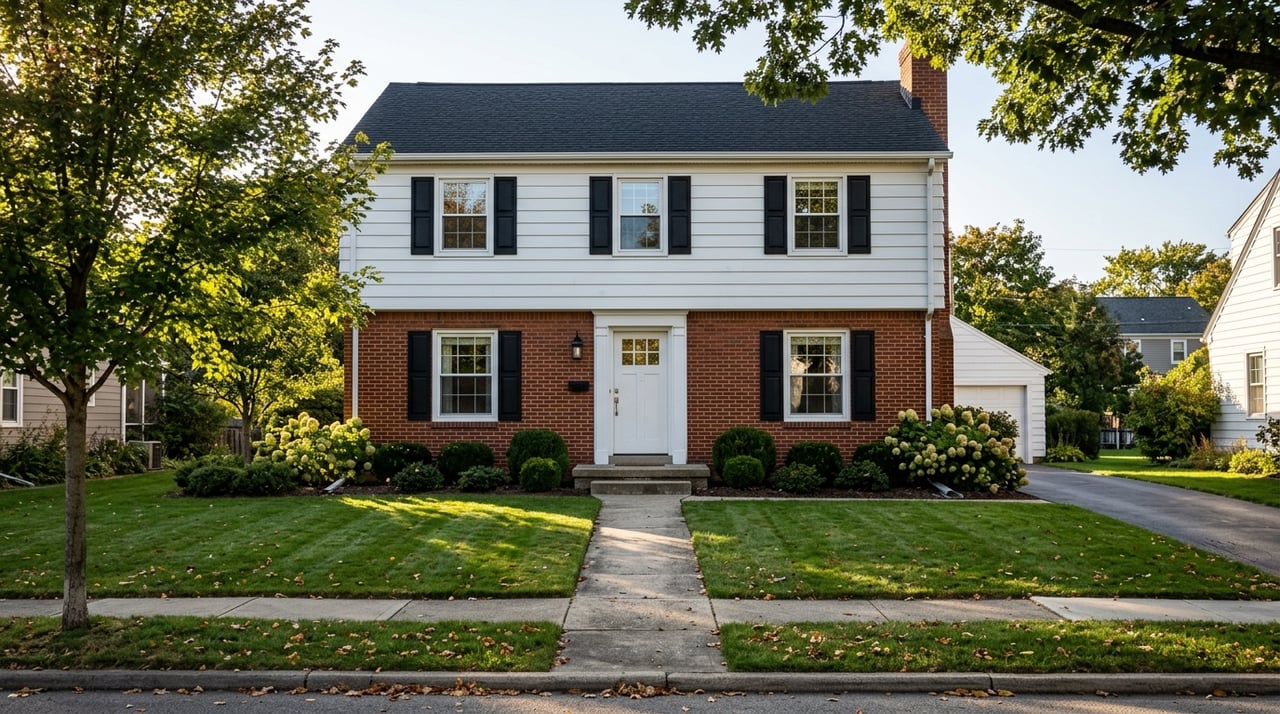
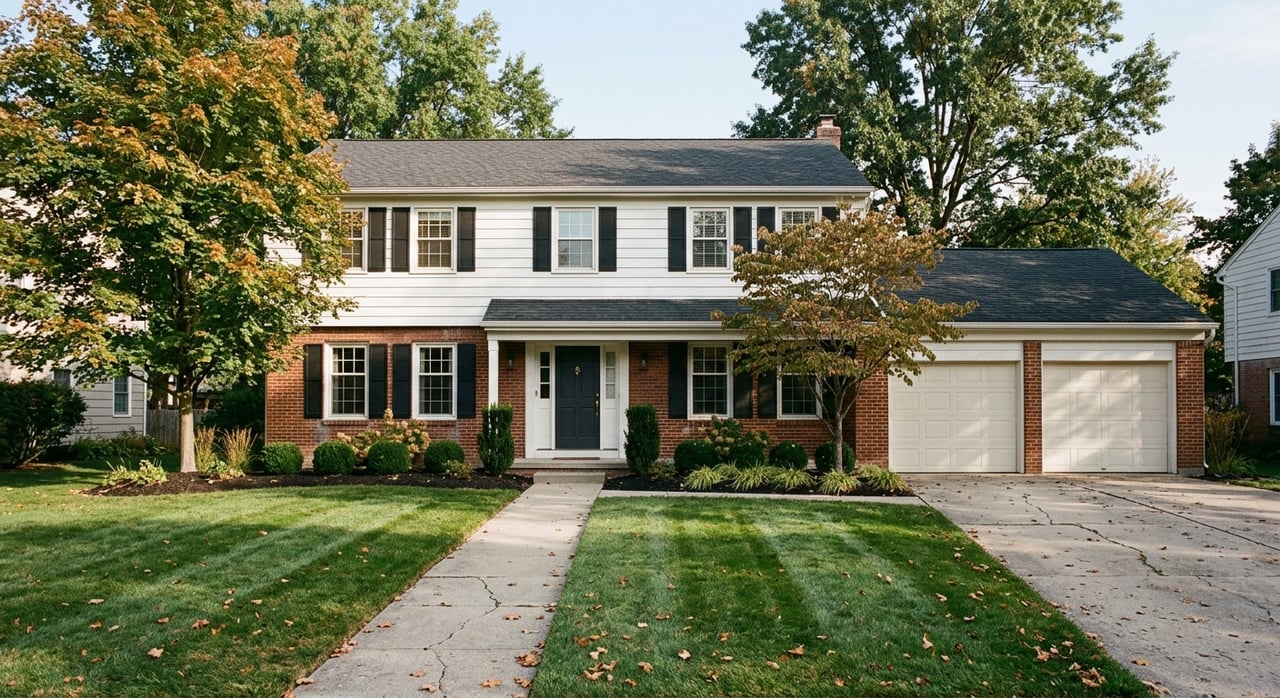
Your exterior sets the tone before buyers ever step inside. Landscape cleanup, trimmed shrubs, edged walkways, swept porches, and tidy mulch beds can make a meaningful difference in first impressions. For many buyers, the showing starts at the curb.
This does not need to become a major landscaping project. The goal is a neat, cared-for look that supports the value you are asking buyers to see inside.
Plan For Pets During Showings
If you have pets, create a clear showing plan before your listing goes live. Seller prep guidance commonly includes removing pets during showings, and for good reason. Pets, pet odors, crates, bowls, and litter areas can distract buyers and make it harder for them to focus.
A simple routine helps. Arrange for pets to be out of the house during showings when possible, and store visible pet items neatly between appointments.
Focus On Presentation That Pays Off
Stage The Right Rooms First
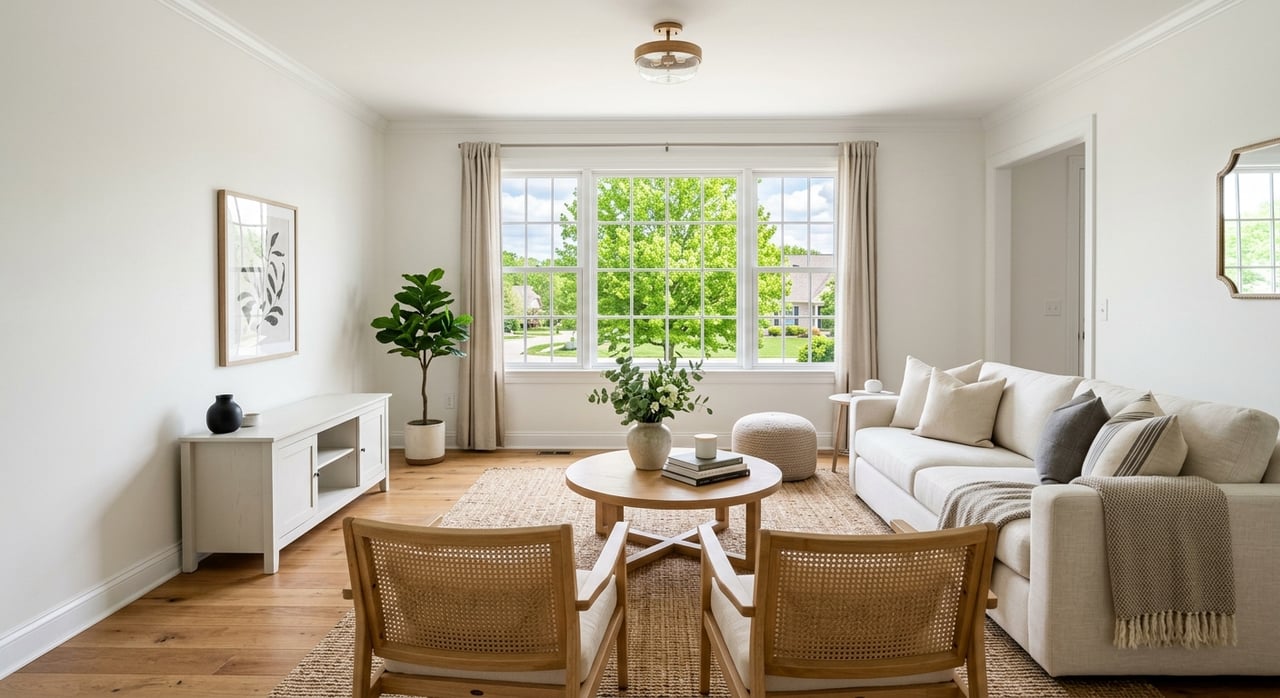
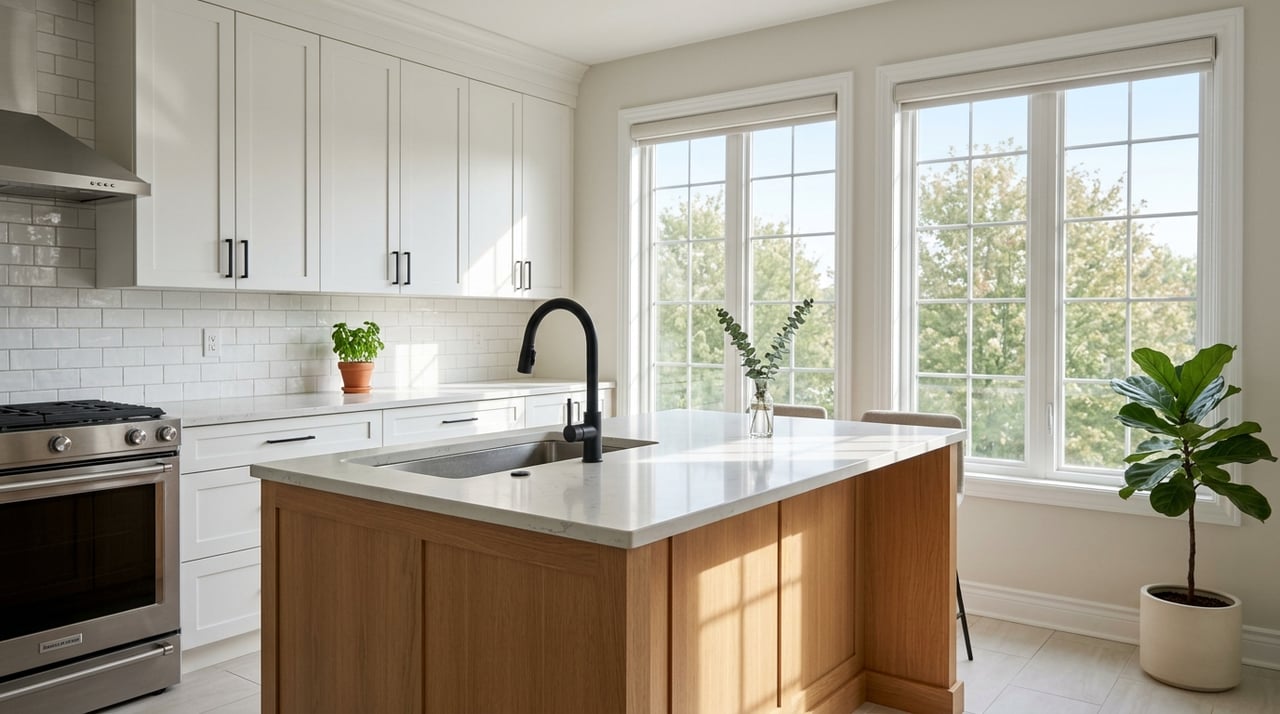
Staging does not have to mean furnishing every square foot from scratch. Research shows staging helps buyers visualize a home as their future home, and many agents report that it can improve offer strength and reduce time on market. For most Yardley sellers, the best return comes from concentrating on the rooms buyers notice first.
Start with the living room, kitchen, primary bedroom, and dining room. Those areas tend to carry the most visual and emotional weight. A few targeted changes in key spaces often do more than trying to perfect lesser-used rooms.
Invest In Strong Listing Media
Your first showing usually happens online. That is why polished listing media matters. Buyers’ agents and sellers’ agents consistently rank photos as highly important, with videos and virtual tours also adding value.
That means your home should be camera-ready before photos are taken. Bright rooms, clear countertops, open blinds, tidy floors, and balanced furniture placement all help your home present better online and attract stronger interest for in-person showings.
Get Ready For Pennsylvania Disclosure Rules
In Pennsylvania, residential sellers must disclose known material defects by completing the property disclosure statement and providing a signed, dated copy before the agreement of transfer is signed. This disclosure is required by state law. It is not a warranty, and it does not replace the buyer’s inspections.
The best approach is to start gathering information early. Make notes about the roof, windows, systems, water issues, repairs, and any other known conditions before your home hits the market. Waiting until an offer is in hand can create delays and unnecessary stress.
Prepare For Showings And Offers
Keep Your Home Show-Ready
Once your home is listed, consistency matters. Try to keep counters clear, beds made, floors clean, and entry areas tidy. The easier it is to accommodate showings, the easier it is for motivated buyers to see the home quickly.
In a market where timing can affect momentum, convenience matters. A strong first week on the market can shape the rest of your sale.
Review Offers With Net Proceeds In Mind
The highest offer is not always the best offer. You also need to look at contingencies, closing timeline, financing strength, repair expectations, and how each term affects your bottom line. A cleaner offer can sometimes leave you in a better overall position than a higher number with more risk.
This is where experienced guidance matters. When you evaluate offers through the lens of net proceeds and likelihood of closing, you make a more informed decision.
What Happens After You Accept An Offer
Once a purchase agreement is signed, the sale moves into escrow. Earnest money is typically held in escrow, and the buyer’s side usually moves forward with financing steps that can include a title search and appraisal. If the contract includes a home inspection contingency, that process will also happen during this stage.
This period often takes several weeks or more. Inspections, lender timelines, and title work do not all move at the same pace. As a seller, your job is to stay organized, respond promptly, and keep the property in contract condition.
Handle Inspection Requests Carefully
Home inspections are not required, but many buyers include an inspection contingency. If issues come up, the next step may involve repair requests, credits, or additional negotiation. That is why your early prep work matters so much.
A home with fewer visible maintenance concerns often faces fewer surprise objections later. Even when requests do come in, a well-prepared seller is usually in a better position to negotiate from strength.
Closing Checklist For Yardley Sellers
As closing gets closer, shift your focus from marketing to execution. This is the stage where details matter most.
Use this final checklist:
- Keep the home in the same condition required by the contract
- Complete any agreed repairs on time
- Clean the property before settlement
- Coordinate your move-out schedule carefully
- Verify mortgage payoff instructions
- Review settlement figures in advance
- Be prepared for deed and transfer-tax paperwork
In Bucks County, the transfer tax totals 2%, made up of 1% state tax and 1% municipality and school district tax, and it is paid at recording. Who pays that tax is usually negotiated in the sale agreement. Beyond transfer tax, your seller proceeds may also be affected by mortgage payoff, commissions, and prorated property taxes, so it is important to focus on your net rather than the headline sale price alone.
Be Ready For The Final Walk-Through
The buyer’s final walk-through often happens within 24 hours of settlement. This is the buyer’s last chance to confirm the home’s condition and verify that any agreed repairs were completed. If something is off, it can delay closing or create a last-minute issue.
Before the walk-through, make sure the home is empty unless the contract says otherwise, broom-clean, and in the expected condition. Leave behind only what the agreement requires.
Why A Step-By-Step Plan Matters
Selling a home in Yardley is easier when you break it into stages. Pricing, prep, disclosure, showings, negotiation, and closing each have their own job to do. When you handle them in order, the process feels less overwhelming and your sale is more likely to stay on track.
That is also where local experience can make a real difference. A seller-focused plan built around preparation, presentation, and smart negotiation can help you protect both your timeline and your net proceeds. If you are getting ready to sell in Yardley or elsewhere in Bucks County, Nancy Aulett can help you create a practical plan from prep to closing.
FAQs
What should Yardley home sellers do before listing?
- Start with current comparable sales, then complete minor repairs, declutter, deep clean, depersonalize, improve curb appeal, and prepare the home for professional photos and showings.
What does Pennsylvania require sellers to disclose?
- Pennsylvania sellers must complete a property disclosure statement covering known material defects and provide a signed, dated copy before the agreement of transfer is signed.
What rooms matter most when staging a Yardley home?
- The living room, kitchen, primary bedroom, and dining room usually deserve the most attention because they tend to have the biggest impact on buyers.
What costs should Bucks County home sellers expect at closing?
- Sellers should plan for possible transfer tax based on the sale agreement, plus mortgage payoff, commissions, and prorated property taxes when estimating net proceeds.
What happens after a Yardley seller accepts an offer?
- After the contract is signed, the transaction moves into escrow and may include title work, appraisal, financing steps, and possibly a home inspection if the buyer included that contingency.
How can Yardley sellers avoid closing delays?
- Keep the home in contract condition, finish agreed repairs, review settlement details early, coordinate move-out carefully, and make sure the property is ready for the buyer’s final walk-through.