Thinking about selling your home in Abington but not sure where to start? You are not alone. With a market that rewards smart preparation and realistic pricing, a clear plan can help you move with less stress and better results. In this guide, you will get a step-by-step timeline, budget-friendly updates, legal musts in Pennsylvania, and what to expect once you list. Let’s dive in.
Abington market context you can use
Abington Township has a strong owner-occupied base of about 77%, and the median owner-occupied home value sits in the low $390,000s, according to Census QuickFacts. That stability helps support demand when your home shows well and is priced right. See the Census QuickFacts profile.
Recent third-party reports show Abington neighborhood medians clustering around roughly $400,000 to $430,000 in 2025 and 2026, but small sample sizes can cause swings month to month. Treat broad medians as context only and rely on current MLS comparables within 1 to 2 miles from your home and within the past 60 to 90 days for precise pricing. Review Abington market snapshots from ATTOM.
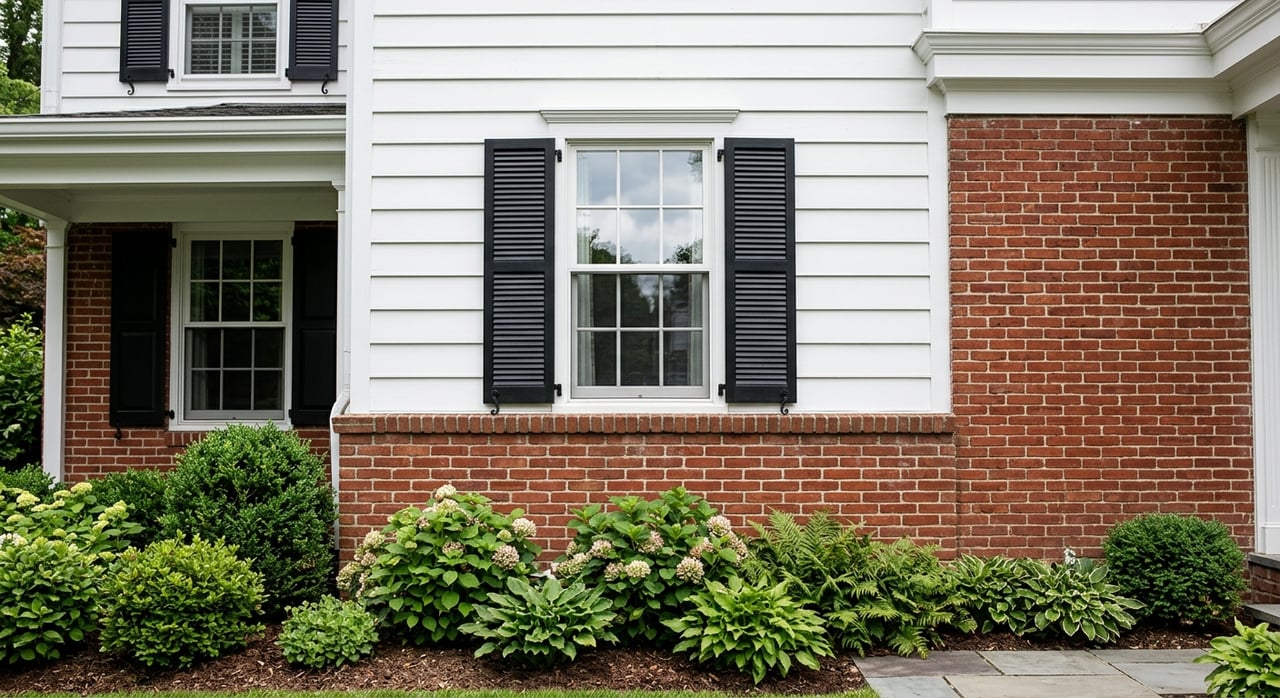
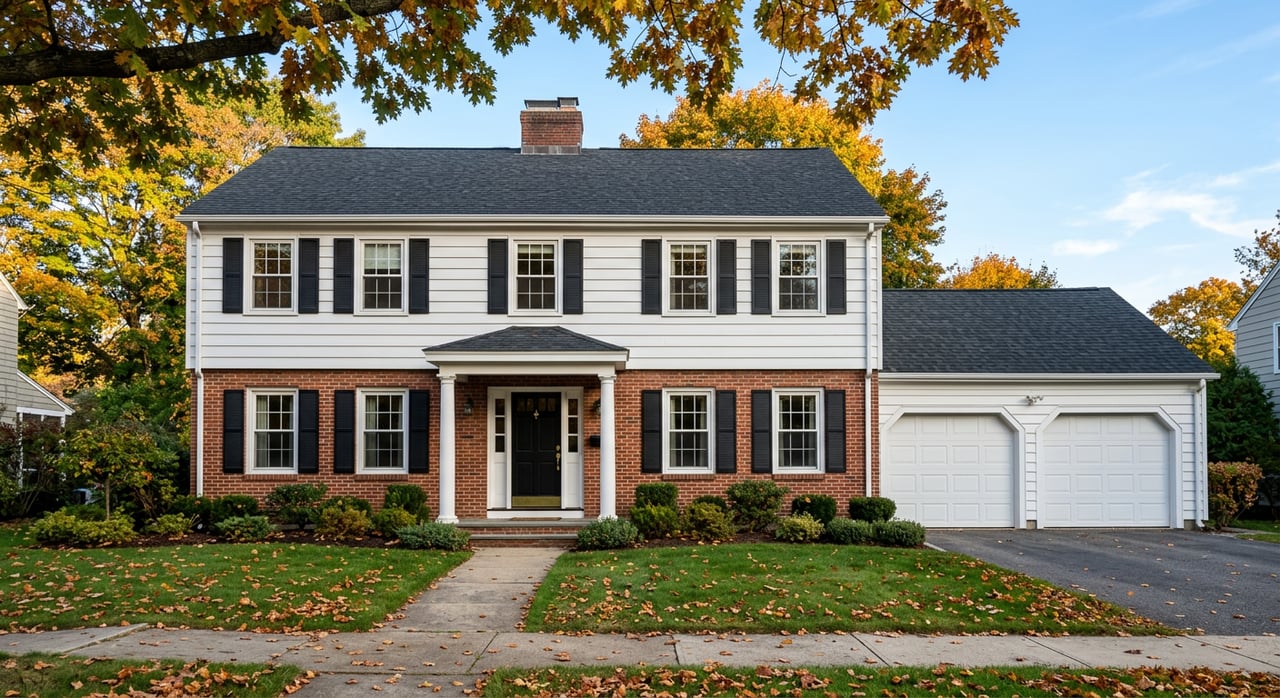
Many Abington homes were built around the 1950s. That means tune-ups to paint, windows, HVAC, and roofs often pay off. Commuter access and proximity to Abington School District and SEPTA rail are common buyer talking points, so highlight them in your listing remarks.
Your 6 to 8 week prep timeline
6 to 8 weeks before listing
- Meet with 1 to 3 local agents and request a comparative market analysis and written plan.
- Gather deeds, permits for any additions, appliance manuals, and major repair receipts.
- Confirm that any past renovations were permitted with Abington Township. If you are unsure, check the township’s permit resources and keep records handy. Start with Abington’s permits and forms.
- Start decluttering and organizing so rooms feel larger in photos and showings.
3 to 4 weeks before listing
- Book a deep clean and tackle small repairs. Plan for a whole-home deep clean and deodorizing. Costs vary by size and condition.
- Refresh paint in neutral tones where needed. Professional interior painting often runs about $2 to $6 per square foot depending on scope. See typical interior painting cost ranges. These are ballpark ranges. Always get two written estimates from local contractors.
- Schedule staging and professional photography. Give yourself 1 to 2 weeks of lead time if you are renting furniture.
1 to 2 weeks before listing
- Finalize listing details with your agent, including accurate room counts and measurements.
- Consider a pre-listing inspection to spot major issues early. You can choose to repair or price accordingly.
- If your home was built before 1978, gather any lead-based paint records and the required pamphlet (more below).
Listing week
- Go live with professional photos, a floorplan, and a concise highlight list that calls out commuter routes, school district, and recent maintenance.
- Plan for a strong first weekend. Your agent may host a broker open and schedule showings or public open houses based on your comfort.
High-impact, low-cost updates that matter
- Deep clean and neutralize. A spotless home sets the tone and photographs well.
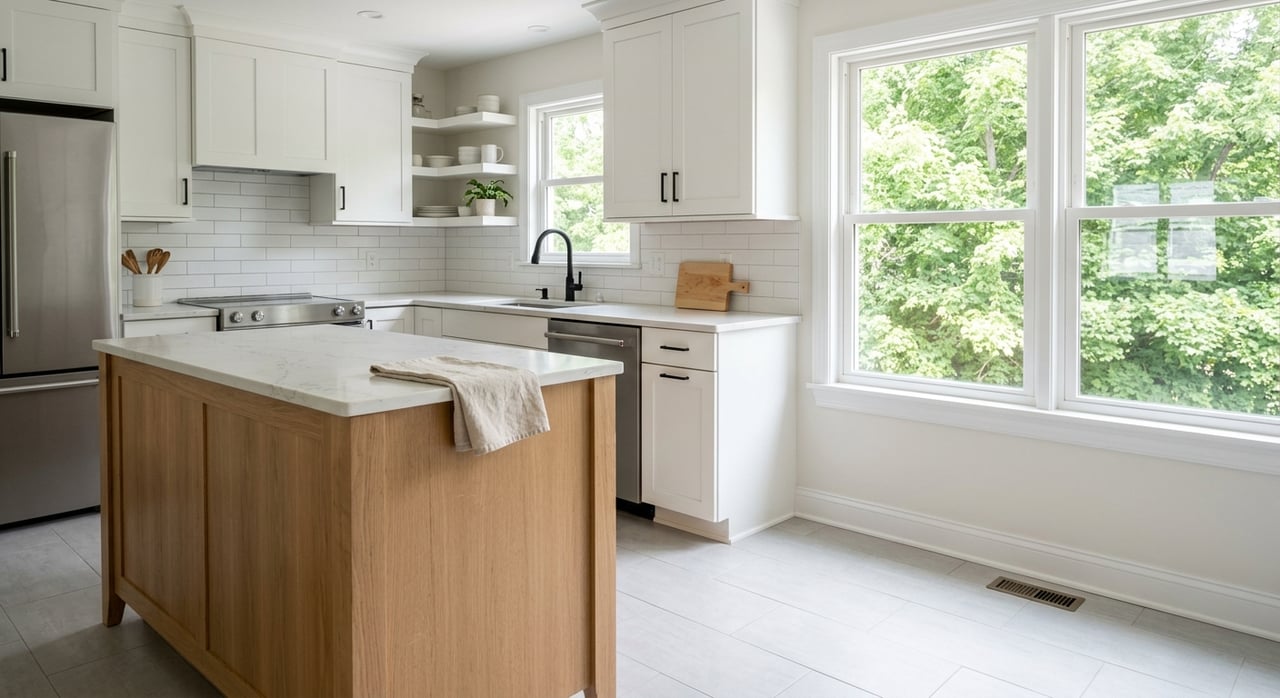
- Paint selectively. Fresh paint in key spaces like the entry, kitchen, and main living areas has a big visual payoff.
- Fix the little things. Repair loose handles, dripping faucets, and squeaky doors. Replace burnt bulbs and touch up caulk and grout.
- Floors and lighting. Clean or refresh floors and add warm, consistent lighting so rooms feel bright and inviting.
These improvements are usually faster and cheaper than large renovations, and they help your home compete in the first two weeks on market.
Staging and photography that sell
Staging helps buyers visualize themselves in the home and can shorten days on market. The National Association of REALTORS reports that staging often improves buyer perception and can lead to better outcomes. Read NAR’s insights on staging.
- Prioritize the living room, kitchen, primary bedroom, and main entry.
- Consider a consultation for occupied homes. Full staging for vacant homes typically runs $2,000 to $6,000 for initial setup plus monthly rental, depending on scope. See common staging cost ranges. These are ballpark ranges. Get local quotes.
- Invest in professional photography. Expect to budget for high-quality images, with optional add-ons like twilight shots or drone photos. Great photos drive online traffic and in-person showings.
Pricing it right for your first two weeks
Abington is a small market where price sensitivity is real. Use fresh MLS comps that match on location, bed and bath count, lot size, and style within the last 60 to 90 days. Talk with your agent about current days-on-market in your micro-neighborhood and set a price that attracts strong interest right away. If you are not seeing the expected traffic in week one, be ready to adjust quickly.
Smart marketing with minimal disruption
A full-service plan should include:
- Professional photos, a floorplan, and a compelling listing description.
- MLS syndication, targeted social media ads, and agent-to-agent outreach.
- Video or virtual tour options for buyers who prefer remote viewing.
- Managed showing windows that respect your schedule and reduce disruption.
A hands-on agent can also coordinate cleaners, stagers, and contractors so you spend less time managing the process and more time preparing for your move.
Disclosures and legal musts in Pennsylvania
Pennsylvania Seller Disclosure Law
You must disclose known material defects and deliver the completed state property disclosure to the buyer before signing an agreement of sale. Selling “as is” does not remove this duty. When in doubt, disclose and ask your agent or attorney for guidance. Review the PA Seller Disclosure Law.
Homes built before 1978
Federal law requires you to provide a lead-based paint information pamphlet and any known records for most pre-1978 homes. The buyer also gets an option to test, typically within 10 days unless waived. Learn about the federal lead-based paint rule.
Radon in Pennsylvania
EPA recommends testing all homes below the third floor. If results are 4 pCi/L or higher, mitigation is recommended and commonly installed. Consider testing before listing or be ready to discuss any prior test results. See EPA guidance on radon.
Permits and records in Abington Township
Buyers and inspectors will ask about major work and whether it was permitted. Confirm permit history and keep documents ready to streamline buyer due diligence. Start with Abington Township’s permit resources.
What sellers typically pay at closing
- Realty transfer tax. The combined realty transfer tax in Montgomery County is commonly 2.0%. Local custom on who pays can vary by contract, and many parties split it. Check the county’s transfer tax info.
- Real estate commissions. Average total commission in Pennsylvania is about 5.8% according to state-level references, but all commissions are negotiable and vary by brokerage and service level. See average commission context for PA.
- Title, recording, and settlement fees. Expect document, title, and recording costs, plus prorated taxes and any loan payoffs. Ask your title company for an itemized seller net sheet early so you can plan proceeds.
From offer to closing: what to expect
Most financed transactions close in about 30 to 45 days once you accept an offer. Cash deals can close faster, often in 7 to 14 days when title is clear and everyone is ready. Typical milestones include inspections and negotiations in the first two weeks, followed by appraisal and underwriting for financed buyers. Keep documents accessible and respond quickly to your agent, buyer, and title company to avoid delays.
Quick checklist for Abington sellers
- Confirm permit history with Abington Township and keep records handy.
- Complete the Pennsylvania Seller Property Disclosure before the buyer signs.
- If built before 1978, provide the lead paint pamphlet and any known records.
- Test for radon or disclose prior test results. Discuss mitigation if needed.
- Budget for transfer tax, commission, and closing fees in your net sheet.
Ready to sell with less stress and more confidence? With four decades of local experience, hands-on staging, and full-service coordination, Nancy will guide you from prep to closing while protecting your time and your bottom line. When you are ready, connect with Nancy Aulett to get your plan and instant home valuation.
FAQs
What is the best time to list a home in Abington?
- The best time depends on your goals and your home’s readiness. Focus on strong presentation, accurate pricing based on fresh local comps, and a launch plan that builds early momentum in the first two weeks.
How much should I budget to prepare an Abington home for sale?
- Many sellers invest in cleaning, small repairs, and targeted paint updates. Interior painting can run about $2 to $6 per square foot depending on scope. Staging for vacant homes often ranges from $2,000 to $6,000 for setup plus monthly rental. Get two local estimates for accurate numbers.
Do I need to test for radon before listing in Montgomery County?
- EPA recommends testing all homes below the third floor and taking action at 4 pCi/L or higher. Pre-listing tests can reduce surprises during buyer inspections and help you plan for mitigation if needed.
Who usually pays the Montgomery County realty transfer tax when selling?
- The combined transfer tax is commonly 2.0%. Payment is a negotiable contract term, and many parties split it. Confirm the allocation with your agent and title company before you sign.
How are Abington home prices set for listing?
- Use recent MLS comparables within 1 to 2 miles and the past 60 to 90 days. Small markets like Abington can show swings in monthly medians, so micro-level comps are more reliable than broad averages.
What if my Abington home was built before 1978?
- Federal law requires a lead-based paint pamphlet, disclosure of known lead information, and an option for the buyer to test. Gather any records early and include them with your disclosures.