Buying your first home in Parkwood can feel exciting right up until the numbers, timelines, and paperwork start coming at you all at once. If you are trying to figure out what homes cost, how much cash you really need, and how to avoid expensive surprises, you are not alone. This roadmap will walk you through what to expect in Parkwood, Philadelphia, from budgeting and financing to touring homes, inspections, closing, and your first steps as a new owner. Let’s dive in.
Why Parkwood appeals to first-time buyers
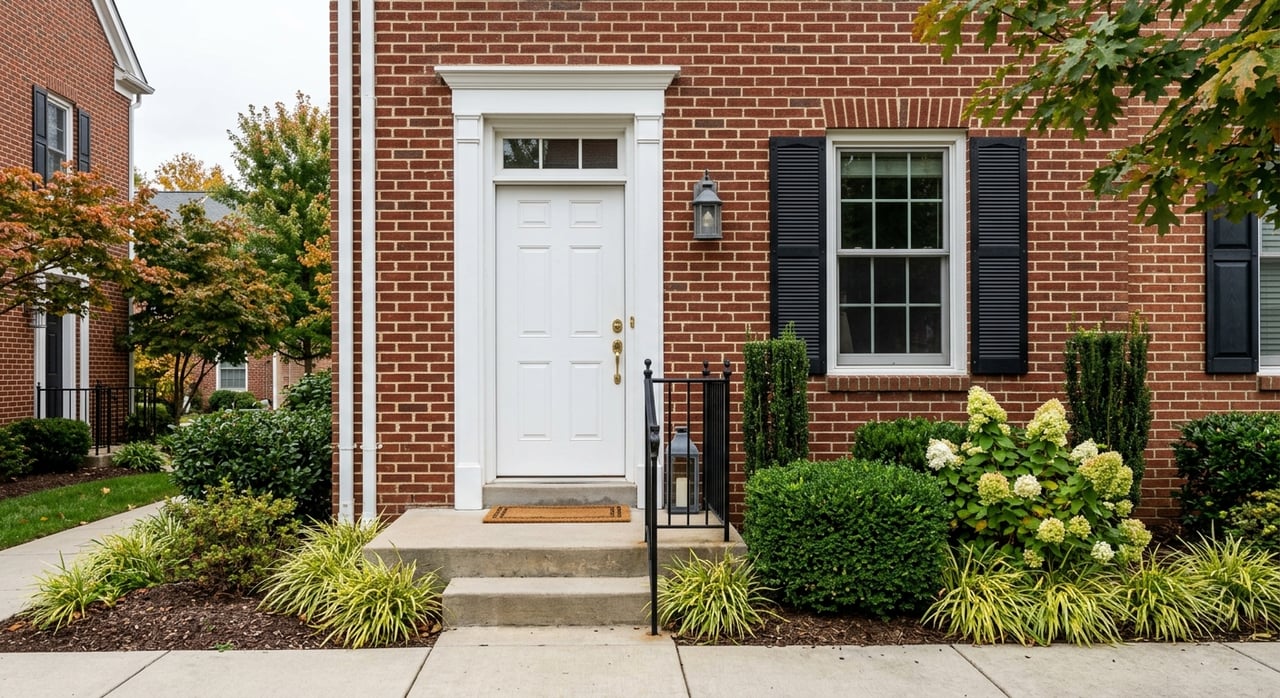
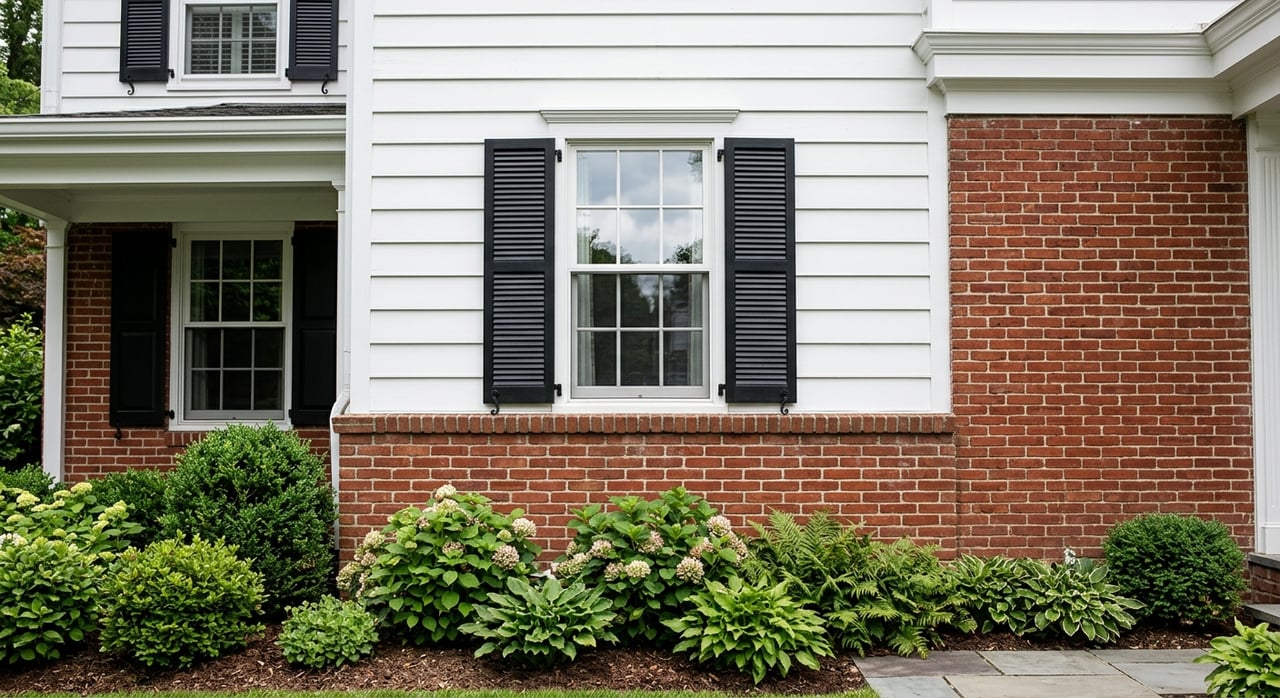
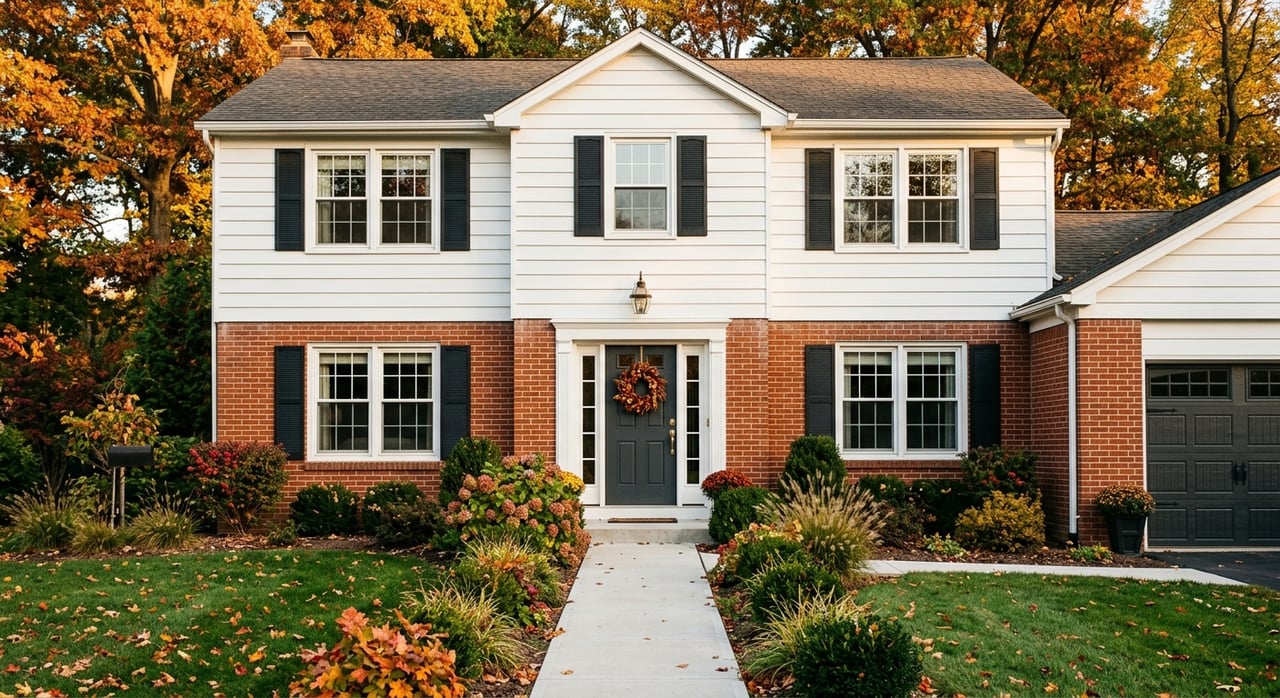
Parkwood sits in Philadelphia’s Far Northeast and is described in city planning materials as a late-1950s planned residential community. Those same materials describe the neighborhood’s housing pattern as primarily detached homes with garages on winding loop roads and cul-de-sacs.
For many first-time buyers, that housing style can feel like a practical middle ground. You may get a more suburban layout and a single-family feel while still staying within Philadelphia.
Price is another reason Parkwood gets attention. Recent market snapshots placed median sale and sold prices in the low-to-mid $300,000s, with figures such as $320,000 in March 2026 and about $329,000 in April 2026, though exact numbers vary by source and date.
Start with your real budget
Before you tour homes, get clear on what you can comfortably afford each month. That means looking beyond the list price and thinking about your full housing payment, closing costs, and the cash you will need after move-in.
A smart first step is to track spending, review your credit, and talk with lenders early. That gives you a clearer picture of your options before you fall in love with a house.
What your Parkwood budget should include
Your starter budget should account for more than just a down payment. In Philadelphia, the extra costs can add up quickly.
Include these items in your plan:
- Down payment
- Monthly mortgage payment
- Mortgage insurance if your down payment is under 20%
- Homeowners insurance
- Philadelphia real estate taxes
- Realty transfer tax
- Deed recording fee
- Inspection and appraisal costs
- A repair and maintenance reserve
Philadelphia’s 2025 real estate tax rate is 1.3998% of assessed value, and taxes are due March 31 each year. If you qualify as an owner-occupant, the city’s Homestead Exemption reduces the taxable portion of the assessment by $80,000.
Closing costs deserve special attention. Philadelphia’s current Realty Transfer Tax is 4.578% total, made up of the city and Commonwealth portions, and it is due when the deed is recorded. The city gives buyers up to 30 days after purchase, but recommends paying in full at closing.
On a $330,000 home, transfer tax alone would be about $15,107.40. Add the current deed recording fee of $278.75, and you can see why first-time buyers need to build a realistic cash-to-close plan.
Get preapproved before you shop seriously
Once you understand your budget, the next move is preapproval. You can browse homes while exploring loan options, but before you start making offers, it helps to have a lender review your finances and issue a preapproval letter.
In an active market, preapproval helps you move faster and with more confidence. It also keeps your search focused on homes that fit your comfort zone instead of stretching your monthly payment too far.
This is where an experienced local agent can really help. You want someone who can compare homes against your budget, point out meaningful tradeoffs, and help you avoid overcommitting just to win a deal.
Know the first-time buyer help available
If you are buying your first home in Parkwood, or you have not owned a home in at least three years, you may want to explore local and state programs before you sign a contract.
Philly First Home basics
Philadelphia’s Philly First Home program currently offers up to $10,000, or 6% of the purchase price, whichever is less, to eligible buyers. The home must be a single-family home or duplex in Philadelphia, and condos are not eligible.
One key detail matters here: city-funded homeownership counseling must be completed before the agreement of sale is signed. If you wait too long, you could miss an opportunity you might have qualified for.
PHFA support for Pennsylvania buyers
PHFA offers free homebuyer counseling and strongly encourages buyers to speak with a counselor before signing a sales agreement. For borrowers with a FICO score under 680, a course is required before closing.
PHFA also offers K-FIT, which can provide down payment and closing cost help equal to 5% of the lesser of the purchase price or appraised value. That assistance is forgiven over 10 years at 10% per year.
Tour Parkwood homes with a local checklist
Parkwood’s market has looked active, and recent snapshots suggest buyers may not have endless time to decide. One source showed about 40 median days on market, while another showed 21 median days on market and 44 active listings.
That means you should be ready to act, but not at the expense of due diligence. Moving too fast without asking the right questions can create problems after closing.
What to look for in Parkwood homes
Because Parkwood is known for detached homes with garages in a planned mid-century setting, you may see recurring features from one property to the next. Focus on condition, layout, lot characteristics, and how the home fits your budget.
As you tour, pay attention to:
- Roof age and visible wear
- Windows and signs of drafts or moisture
- Basement or lower-level dampness
- Grading and drainage around the home
- Garage condition and driveway upkeep
- Evidence of deferred maintenance
- Major system ages, if available
- Any additions or updates that may need closer review
If a home is near Poquessing Creek or another low-lying area, ask extra questions about drainage and flood risk. City planning materials specifically note that land between Poquessing Creek and Parkwood is flood-prone, so this is not a theoretical issue for some properties.
Make an offer without skipping protections
When you find the right home, your offer should balance competitiveness with protection. In a market that can move quickly, it is tempting to strip away safeguards, but that can backfire for a first-time buyer.
An inspection contingency can be especially important. If the contract is contingent on a satisfactory inspection, you may be able to cancel without penalty if the results are not acceptable, and in some situations you may also negotiate repairs or credits with the seller.
That does not mean every issue is a deal-breaker. It means you want to know which repairs are cosmetic, which are manageable, and which could affect your financing or future costs.
Inspection and appraisal are not the same
After your offer is accepted, things start moving fast. One of the first priorities is scheduling a home inspection as soon as possible.
Use an independent inspector and attend if you can. Seeing the home through the inspector’s eyes often helps first-time buyers understand maintenance needs more clearly.
It is also important to know that an inspection and an appraisal are different. The inspection looks at the property’s condition, while the appraisal helps the lender confirm value.
If either process uncovers major repair concerns, the lender may require repairs before closing or may ask for funds to be set aside for repairs after closing. That is one more reason not to spend every available dollar before settlement.
Prepare for closing in Philadelphia
Closing is the final step in buying and financing the home, and the loan closing and home purchase closing usually happen at the same time. Your closing may include the real estate agent, title insurance company, and escrow company.
You should receive the Closing Disclosure three business days before closing. Review it carefully so you can confirm the loan amount, interest rate, closing costs, cash to close, escrow items, and any seller credits.
This is also the point where buyers need to stay alert for fraud. Mortgage closing scams often target buyers right before settlement, so always verify wire instructions by phone before sending money.
Your pre-closing review list
Before settlement day, make sure you have checked:
- Final cash-to-close amount
- Interest rate and loan terms
- Transfer tax and recording charges
- Escrow setup for taxes and insurance
- Seller credits, if any
- Wire instructions verified by phone
- Final walk-through timing and details
After closing: your first homeowner steps
Once you have the keys, the process is not quite over. New owners in Philadelphia should look into the Homestead Exemption if eligible, since it can reduce the taxable portion of the assessment by $80,000.
You will also want to keep a repair reserve and start planning for routine maintenance. For first-time buyers, the smoother path is usually the one that leaves room in the budget after closing, not the one that spends every dollar just to get into the house.
Buying your first home in Parkwood is a big step, but it becomes much more manageable when you break it into stages. With the right budget, a clear preapproval plan, careful home tours, and strong due diligence, you can move forward with more confidence and fewer surprises.
If you are thinking about buying in Parkwood and want practical guidance from a local agent who knows how to keep first-time buyers focused, informed, and protected, connect with Nancy Aulett.
FAQs
What types of homes are common in Parkwood Philadelphia?
- City planning materials describe Parkwood as a planned late-1950s neighborhood with primarily detached homes with garages on winding loop roads and cul-de-sacs.
What should a first-time homebuyer budget include in Parkwood?
- Your budget should include the down payment, monthly mortgage payment, mortgage insurance if you put down under 20%, homeowners insurance, Philadelphia real estate taxes, transfer tax, recording fees, inspection and appraisal costs, and a repair reserve.
Are there first-time homebuyer programs for Parkwood buyers?
- Yes. Philly First Home and PHFA programs are two key options to explore, and both make counseling an important part of the process.
Why should Parkwood buyers ask about flood risk?
- City planning materials note that land between Poquessing Creek and Parkwood is flood-prone, so buyers should ask about drainage and flood risk for homes near that corridor.
How competitive is the Parkwood Philadelphia housing market?
- Recent market snapshots suggest Parkwood has been active, with median days on market reported at 21 to 40 days depending on source and timing, which means buyers should be prepared but still protect themselves with smart due diligence.
What happens before closing on a Parkwood home purchase?
- Before closing, you will typically complete the inspection, appraisal, final loan review, and Closing Disclosure review, then confirm your cash to close and verify all money-transfer instructions carefully.